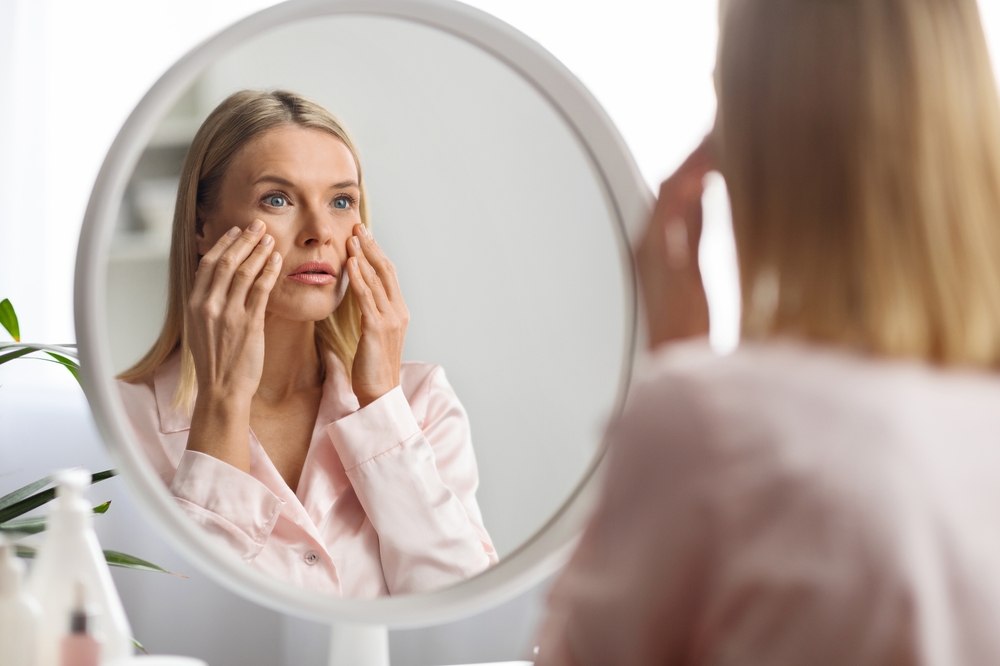
Your skin’s natural tone and color come from melanin, a pigment produced by specialized cells called melanocytes. Melanin acts as your body’s natural defense against UV damage, determining how light or dark your skin appears. But sometimes, melanin production becomes uneven — leading to skin pigmentation issues, where certain areas of the skin appear darker, blotchy, or uneven in tone.
At Glow Aesthetic Center, skin pigmentation is one of the most common concerns we treat. Whether it’s sunspots, freckles, melasma, or post-acne marks, pigmentation changes can affect confidence and make the complexion appear dull or aged.
If you’ve noticed new dark spots or patches and are unsure what they mean, this guide will help you understand how to recognize pigmentation, what causes it, and how professional treatments can help restore a smoother, more even complexion.
What Is Skin Pigmentation?
Skin pigmentation refers to the natural coloring of your skin, determined by melanin levels. When these pigment-producing cells are overactive or unevenly distributed, you may develop areas that are darker than your surrounding skin. This is called hyperpigmentation.
In some cases, the opposite can occur — patches lighter than your natural tone, known as hypopigmentation. Both conditions can result from factors like sun exposure, hormonal changes, or inflammation.
The most common types of pigmentation seen at Glow Aesthetic Center include:
- Sunspots (Solar Lentigines): Flat, brown spots caused by long-term sun exposure.
- Melasma: Symmetrical patches of discoloration, often triggered by hormones or pregnancy.
- Post-Inflammatory Hyperpigmentation (PIH): Dark marks left behind after acne, injury, or irritation.
- Freckles: Small, light brown spots that become more noticeable with sun exposure.
Each form of pigmentation behaves differently, but they all share one thing in common — they result from excess melanin activity within the skin.
How to Tell If You Have Skin Pigmentation
Pigmentation can appear in many ways, depending on your skin type, tone, and cause. Here’s how to identify the most common signs:
1. Uneven Skin Tone
If some areas of your face look darker or patchier than others — especially around the cheeks, forehead, or upper lip — it could be pigmentation. Hyperpigmentation often gives the skin a mottled or blotchy appearance.
2. Dark Spots or Patches
Persistent brown or grayish patches that don’t fade with regular exfoliation are a clear indicator of pigmentation. These spots may appear after years of sun exposure or following acne breakouts.
3. Freckles That Multiply with Sun Exposure
Freckles are small, flat, and usually harmless, but if they become darker or spread after time outdoors, it’s a sign of increased melanin activity due to UV exposure.
4. Discoloration After Acne or Injury
If pimples or cuts leave behind lingering dark marks, you’re experiencing post-inflammatory hyperpigmentation (PIH). These marks can take weeks or even months to fade without treatment.
5. Patches That Resist Skincare Products
When dark areas don’t respond to regular brightening serums, exfoliants, or creams, it often indicates deeper pigmentation that may require professional treatment.
6. Makeup Doesn’t Blend Evenly
If foundation or concealer looks patchy, or certain areas of your face require more coverage than others, uneven pigmentation may be the reason.
Common Causes of Skin Pigmentation
Pigmentation is influenced by a combination of internal and external factors. Understanding the cause helps determine the most effective way to treat it.
1. Sun Exposure
The number one cause of pigmentation is ultraviolet (UV) radiation. Over time, UV rays trigger excess melanin production as the skin’s defense mechanism. This leads to visible dark spots, freckles, and uneven tone — particularly on sun-exposed areas like the face, hands, and neck.
2. Hormonal Changes
Hormones play a key role in melanin production. Fluctuations caused by pregnancy, birth control, or menopause can lead to melasma, a type of pigmentation that appears as symmetrical brown patches, especially on the cheeks or forehead.
3. Inflammation or Acne
After acne lesions, cuts, or rashes heal, some skin types respond by producing extra melanin in the area. This results in lingering dark marks — or post-inflammatory hyperpigmentation — even after the inflammation subsides.
4. Aging
As we age, cell turnover slows, and pigment cells become less regulated. This allows melanin to accumulate unevenly, creating age spots or liver spots.
5. Genetics
If your parents or siblings are prone to pigmentation, you may naturally have more active melanocytes, increasing your risk of developing discoloration.
6. Medications or Skin Trauma
Certain medications, such as some antibiotics or hormone therapies, can cause photosensitivity, leading to pigmentation. Skin trauma from harsh peels or burns can also leave behind discoloration.
How to Confirm You Have Skin Pigmentation
While you can often recognize pigmentation visually, it’s best to have your skin assessed by a trained professional. At Glow Aesthetic Center, we use advanced diagnostic tools and experience to distinguish between different pigment conditions — such as sunspots, melasma, or PIH — since each requires a unique approach.
During your consultation, your provider will:
- Examine your skin under bright and UV light
- Discuss your skincare history and sun habits
- Identify potential triggers such as hormones or medications
- Recommend a personalized treatment plan based on your skin type and goals
This professional evaluation ensures that treatment addresses the root cause, not just the surface discoloration.
Professional Treatments for Pigmentation at Glow Aesthetic Center
While brightening creams and sunscreen can help manage mild pigmentation, more advanced cases often require clinical treatments to achieve clear, even-toned skin. Glow Aesthetic Center offers several treatments to help with pigmentation. Here are some of our most popular ones:
Complexion Code Plus Depigmentation Treatment
Complexion Code Plus offers a structured, multi-level approach to pigmentation by combining an in-office peel with a dedicated at-home routine. This system uses advanced SRX TriFusion™ Technology to interrupt melanin production, lift existing discoloration, and support healthier skin renewal. With active ingredients such as tranexamic acid, kojic acid, and retinol, the treatment helps reduce dark spots, melasma, and post-inflammatory hyperpigmentation while also improving radiance and texture. Because it is suitable for all Fitzpatrick skin types, it provides a versatile option for patients seeking meaningful improvement in tone and clarity.
Laser Facial Treatment
A laser facial uses controlled pulses of light to address both pigmentation and textural concerns. During treatment, gentle heat penetrates beneath the skin’s surface to stimulate collagen production while breaking down areas of discoloration. This process can soften the appearance of sunspots, redness, broken capillaries, and uneven tone, making it a beneficial choice for those looking to refine clarity without significant downtime. Glow Aesthetic Center uses the Quanta 4V platform to deliver precise, comfortable sessions that support smoother, more balanced skin over time.
VI Peel
The VI Peel is a medium-depth chemical peel that blends TCA, phenol, salicylic acid, vitamin C, and tretinoin to exfoliate the skin and encourage new protein production. This helps lighten sun damage, smooth texture, and address pigmentary issues like melasma and dark spots while remaining gentle enough for a wide range of skin types and tones. VI Peel formulas can also help improve acne, keratosis pilaris, and early signs of aging by reducing clogged pores and supporting clearer, brighter skin. Glow Aesthetic Center offers multiple VI Peel variations to ensure that each patient receives a formula tailored to their unique concerns.
Preventing Future Pigmentation
Treating pigmentation is only part of the process — maintaining even skin tone requires proactive prevention. Here’s how to protect your results and prevent new discoloration:
1. Apply Sunscreen Every Day
UV protection is non-negotiable. Use a broad-spectrum SPF 50 daily, reapplying every two hours if you’re outdoors.
2. Avoid Picking or Scratching
Disturbing pimples or scabs can trigger post-inflammatory pigmentation, especially in medium to darker skin tones.
3. Exfoliate Regularly
Light, gentle exfoliation removes dull surface cells and keeps pigment even, but avoid harsh scrubs that can irritate the skin.
4. Incorporate Antioxidants
Vitamin C serums help neutralize UV damage, brighten the skin, and reduce new pigmentation from forming.
5. Stay Consistent
Pigmentation fades gradually. Regular treatments and a consistent skincare routine are key to maintaining clarity and brightness.
Final Thoughts
Uneven pigmentation can appear in many forms, but understanding what causes it is the first step toward correction. By recognizing the signs early and working with an experienced provider, you can restore a balanced, luminous complexion.
Whether you’re struggling with stubborn dark spots or seeking prevention, Glow Aesthetic Center offers advanced laser and skincare solutions that safely and effectively bring your natural radiance back to life.
Frequently Asked Questions
How can I tell if my dark spots are pigmentation or something else?
If your spots are flat, painless, and don’t change rapidly, they’re likely pigmentation. However, a professional evaluation ensures proper diagnosis and treatment.
Can pigmentation fade on its own?
Mild pigmentation may fade with time, but deeper spots usually require professional treatment for complete clearance.
Is pigmentation permanent?
With consistent care and laser or peel treatments, most pigmentation can be significantly reduced or eliminated.
Can I prevent pigmentation from coming back?
Yes. Daily sunscreen use, antioxidant skincare, and avoiding picking at the skin can prevent recurrence.
Are laser treatments safe for darker skin tones?
Absolutely. At Glow Aesthetic Center, our laser facial is safe and effective for all skin types, minimizing the risk of discoloration.