

This September, save on Dysport, EZ Gel, Morpheus8, and Lip Fillers! – Book Now
This September, save on Dysport, EZ Gel, Morpheus8, and Lip Fillers! – Book Now
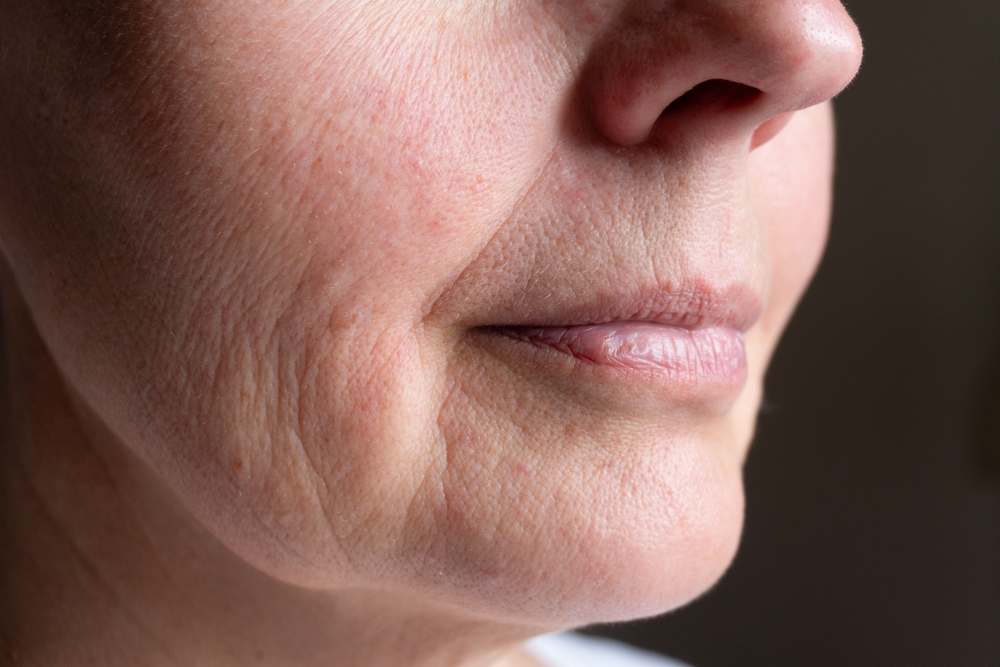
Smile lines can give the face warmth and expression, but deeper folds around the mouth may make the lower face look tired or heavier than you feel. These lines often appear between the nose and mouth, around the corners of the lips, or near the chin. Some people call them laugh lines. Others refer to the nasolabial fold or marionette lines, depending on the exact area. Dermal fillers can soften these folds and restore support, but the treatment needs careful planning.
Bad smile lines filler usually happens when the wrong area is treated, too much product is placed, the filler is too heavy, or aftercare is ignored. The result can look puffy, uneven, stiff, or overfilled. In some cases, poor placement can contribute to a pillow face appearance, where the midface and lower face look rounder than intended.
At Glow Aesthetic Center, smile lines treatment is planned around facial structure, movement, volume loss, and natural balance. This blog explains how to avoid bad smile lines filler, what to do before and after treatment, and how professional planning can help create smoother, more natural-looking results.
Bad smile lines filler can happen when the treatment plan focuses only on the fold itself. The nasolabial fold is the crease that runs from the side of the nose toward the corner of the mouth. It can deepen because of facial movement, collagen loss, cheek volume changes, and natural aging. Filling only the line without looking at cheek support can sometimes create heaviness or puffiness.
Marionette lines are different. They run downward from the corners of the mouth toward the chin. These lines can make the mouth look downturned or tired. They may need filler support near the corners of the mouth, chin, pre-jowl area, or lower face rather than a simple line-filling approach.
A strong smile line filler plan should look at the whole face. The cheeks, mouth corners, chin, jawline, and skin quality all affect how smile lines appear. Treating the cause often looks better than chasing the crease.
The first step to avoiding bad smile lines filler is choosing a provider who understands facial anatomy. Smile lines sit in a high-movement area. The mouth moves constantly when you speak, smile, eat, and laugh. Filler placed too superficially or too heavily can look obvious when the face moves.
A skilled injector looks at your face at rest and in motion. They assess cheek volume, skin thickness, expression patterns, the depth of the nasolabial fold, and whether marionette lines are present. They also consider whether filler should be placed directly in the fold, around supporting areas, or in a combination of points.
Experience matters because the goal is not to erase every sign of expression. A face without movement can look unnatural. Smile lines can soften while still allowing the face to look warm and expressive.
Dermal fillersare not all the same. Some are softer and more flexible. Others provide more lift and structure. Hyaluronic acid fillers such as Juvederm and Restylane can be used for facial folds, lips, cheeks, and areas around the mouth, but the specific product should match the tissue and goal.
A soft filler may be better near areas that move often. A more supportive filler may be used when cheek volume or lower-face structure needs help. Using a product that is too firm in a delicate area can create lumps, stiffness, or an overdone look.
Smile line filler should also be placed at the right depth. A shallow placement can show through the skin or create puffiness. A deeper placement may be needed for structural support. Your provider should choose the product, depth, and amount based on your anatomy.
Pillow face can happen when too much filler is placed over time, especially in the cheeks, under-eyes, and lower face. The face may start to look round, swollen, or heavy instead of refreshed. This can affect smile lines because the area around the mouth is closely connected to midface volume.
More filler does not always create a better result. For many clients, small, strategic amounts look more natural. A conservative approach also allows the face to settle before deciding whether more product is needed.
Bad smile lines filler can appear when the fold is repeatedly filled without reassessing the full face. A maintenance appointment should not automatically mean more product. Sometimes the better choice is to wait, treat nearby support areas, or dissolve old filler if it has created heaviness.
A natural-looking plan respects facial proportion. The cheeks should not overpower the mouth. The lower face should not look swollen. The smile should still look like yours.
Aftercare affects how filler settles. Mild swelling, tenderness, bruising, or firmness can happen after injections. These effects are usually temporary, but certain habits can make swelling or bruising worse.
Avoid heavy exercise, heat exposure, alcohol, and pressure on the treated area during the early recovery window. Do not massage the filler unless your provider instructs you to do so. Sleep with your head slightly elevated the first night if swelling is a concern.
Makeup may need to wait until injection points are closed and the skin is calm. Clean hands, clean brushes, and gentle skincare help reduce irritation risk. If you have dental work, facial massage, or skin treatments planned, ask how to time them around filler.
Following aftercare will not fix poor placement, but it can support a smoother recovery and reduce avoidable swelling.
Smile line filler can look fuller right after treatment because swelling is present. The area may feel firm, tight, or slightly uneven for several days. This does not always mean something is wrong.
Most early swelling improves within one to two weeks. The final result may take a little longer to look settled, especially when multiple areas were treated. Taking photos in the same lighting can help you track improvement without checking the mirror too often.
Judging too early can lead to unnecessary worry or rushed correction. A follow-up visit gives your provider a chance to assess the result after swelling has calmed. If refinement is needed, it should be done thoughtfully.
Many clients ask how to get rid of smile lines while still looking natural. The best answer is usually softening rather than total removal. Smile lines are part of normal facial movement. Completely flattening them can make the face look less natural.
A balanced smile lines treatment may include filler in the nasolabial fold, cheek support, marionette area, or lower face. Skin treatments may also help when texture, laxity, or collagen loss contributes to the crease. Some clients benefit from a combination of filler and collagen-supporting treatments rather than filler alone.
The goal is to make the face look rested and supported. If the treatment makes the area look puffy or heavy, the plan may need adjustment. A subtle result often ages better than an aggressive one.
Laugh lines can come from movement, volume loss, skin thinning, and changes in facial structure. Filler can help when volume support is part of the concern, but it may not solve every cause of the line.
If the skin is loose, textured, or sun damaged, other treatments may be recommended to improve skin quality. If the cheeks have lost support, treating the fold alone may not create the best outcome. If the mouth corners turn downward, the marionette area or chin may need attention.
A consultation helps determine whether filler is the right treatment or whether a combination plan would give a better result. The best smile lines treatment should match the reason the lines formed.
Bad smile lines filler can look puffy, lumpy, uneven, heavy, or stiff. The area around the mouth may look swollen even after healing. The cheeks may look too round, or the fold may still be visible while the surrounding tissue looks overfilled.
A bad result can also affect expression. The smile may feel different, or the filler may look unnatural when you talk or laugh. Since the mouth moves so much, filler should blend with expression rather than sit like a separate mound under the skin.
Some irregularities are temporary during healing. Persistent puffiness, asymmetry, visible lumps, or heaviness should be assessed by a qualified injector. Hyaluronic acid fillers can often be dissolved with hyaluronidase when correction is needed.
If your filler looks wrong, contact your injector before trying to fix it yourself. Do not press, massage, or manipulate the area unless you receive direct instructions. Home correction can make swelling or placement issues worse.
Your provider may recommend waiting until swelling settles, performing a small adjustment, or dissolving filler if the product is misplaced or excessive. If the filler is hyaluronic acid-based, reversal may be possible with an enzyme called hyaluronidase.
Severe pain, skin color changes, unusual blanching, spreading redness, heat, fever, or worsening swelling should be addressed right away. These symptoms are not typical cosmetic concerns and need prompt attention.
Bad smile lines filler is often avoidable with the right planning. The best results come from careful facial assessment, the right product, conservative placement, proper aftercare, and patience while the filler settles. Smile line filler should soften laugh lines, support the nasolabial fold, improve marionette concerns when needed, and keep the lower face looking balanced.
If you want to know how to get rid of smile lines without a puffy or overfilled result, start with a thoughtful consultation. Your provider can assess whether filler, skin treatment, or a combination approach fits your face.
If you are ready for natural-looking smile lines treatment or need help correcting bad smile lines filler, schedule a dermal filler consultation with Glow Aesthetic Center today.
Bad smile lines filler can happen when too much product is used, the wrong filler is chosen, placement is too shallow, or the full face is not assessed.
Pillow face refers to an overfilled look that can make the face appear overly round, puffy, or heavy. It can happen when too much filler builds up over time.
The nasolabial fold is the crease that runs from the side of the nose toward the corner of the mouth. It often becomes deeper with age and volume loss.
Marionette lines run from the corners of the mouth toward the chin. They can make the lower face look tired or downturned.
Smile lines may be softened with dermal filler, cheek support, skin treatments, or a combined plan based on facial structure and skin quality.
Laugh lines and smile lines are often used for similar folds around the mouth. The exact treatment plan depends on where the lines sit and how deep they are.
Smile line filler uses dermal filler to soften folds around the mouth, including the nasolabial fold and sometimes nearby support areas.
Choose an experienced injector, avoid overfilling, use the right filler type, follow aftercare, and allow the filler to settle before judging the result.
This September, we’re offering Dysport for just $3.50/unit (or $3.00/unit for VIP Club members), down from $4.50, along with EZ Gel for $899 per area ($799 for members) instead of the regular $1,200. We’re also taking 40% off any Morpheus8 treatment (50% off for VIP members) and pricing our Restylane lip filler at $699 per syringe ($650 for members). Visit us at either our Encino or Thousand Oaks location to take advantage of these savings! – Book Now

Ready to enhance your inner glow? Whether you have questions about our treatments or want to book an appointment, we're here to help! Schedule your visit today or give us a call.

Sunday: 9 AM–4:30 PM
Monday: 9 AM–4 PM
Tuesday: 9 AM–6 PM
Wednesday: 9 AM–6 PM
Thursday: 9 AM–6 PM
Friday: 9 AM–4 PM
Saturday: Closed
Sunday: 9 AM–4:30 PM
Monday: 9 AM–4 PM
Tuesday: 9 AM–6 PM
Wednesday: 9 AM–6 PM
Thursday: 9 AM–6 PM
Friday: 9 AM–4 PM
Saturday: Closed