Spider veins may be small, but they can affect how you feel about your appearance. These thin, web-like veins often appear on the legs and face. They make it difficult to feel confident in certain outfits. Spider vein sclerotherapy offers a solution that works. Glow Aesthetic Center in Encino specializes in spider vein treatment sclerotherapy using Asclera, an FDA-approved medication that targets unwanted spider veins and small varicose veins. Our spider vein removal sclerotherapy sessions take 30 minutes or less typically, with treated veins beginning to fade within weeks.
Understanding Spider Veins
What Are Spider Veins
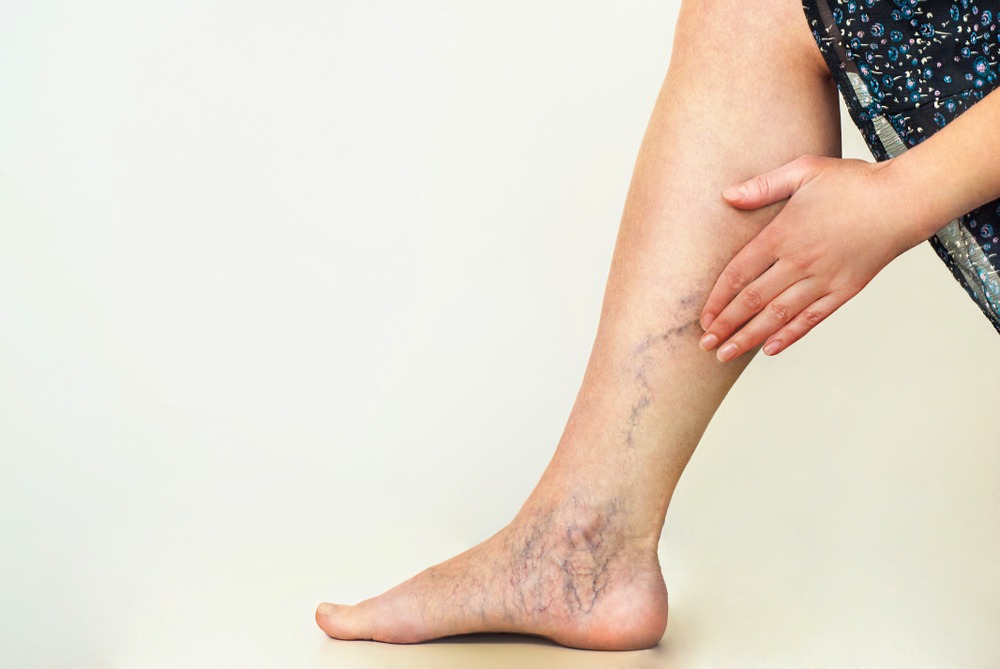
Spider veins are damaged capillaries, venules, and arterioles that appear as thin, web-like discolorations just beneath the skin’s surface. These small blood vessels look red, blue, or purple and form patterns that resemble spider webs or tree branches. The medical term is telangiectasias, though people call them spider veins.
These visible vessels congregate below the skin’s surface and create patterns that vary in size from very small to quite noticeable. Spider veins measure less than 1 millimeter wide. They may be flat against the skin or raised a bit, though you cannot feel them when you run your hands over them. The appearance is different from person to person. Some experience tiny clusters while others develop larger affected areas.
Spider veins develop most on the thighs, ankles, and calves. They also appear on the face. Despite their visibility, spider veins themselves are harmless and pose a cosmetic concern. But they can sometimes serve as an early sign of chronic venous insufficiency, a vein disease that affects blood flow and may lead to complications.
The condition affects much of the population. About 50 to 55 percent of women and 40 to 45 percent of men in the United States experience some form of vein problem. Research that looked at people between ages 30 and 50 found that 88% of women and 79% of men in this age range had spider veins. About 98% of those affected experienced mild cases only.
Common Causes of Spider Veins
Spider veins develop when small blood vessels weaken and expand. The mechanism involves damaged or weak valves in the veins. Blood can leak back into the vein and collect there when these valves fail to work. This increases pressure inside the veins and causes them to stretch and dilate.
Heredity plays a big role in spider vein development. Research that looked at over half a million individuals identified 30 new genetic loci connected to vein issues like varicose veins, spider veins, and deep vein thrombosis. You face a higher likelihood of developing them if one or both parents have a history of spider veins.
Hormonal influences are another big factor. Fluctuations during pregnancy, puberty, menopause, birth control pill use, and postmenopausal hormonal replacement can weaken vein walls. Estrogen has been linked to vein dilation. Many women first notice spider veins during pregnancy due to blood pooling in the legs, increased blood volume, and hormones that weaken vein walls further.
Lifestyle and occupational factors contribute to spider vein formation. Jobs or activities that involve standing or sitting for long periods cause blood flow to become sluggish and lead to increased pressure in the veins. This pressure dilates the veins over time and makes them more visible. Obesity or sudden weight gain also increases risk by putting added pressure on veins in the legs and lower body.
Sun exposure damages skin and veins. Smoking and leg injuries or trauma to the skin also cause spider veins. Conditions that cause increased abdominal pressure, such as tumors, constipation, and tight garments, may trigger spider vein development. A history of blood clots raises risk further.
Spider Veins vs Varicose Veins
Spider veins and varicose veins share some similarities, including the same cause of valve dysfunction, but they are different in appearance and symptoms. Spider veins are like varicose veins but smaller and closer to the skin’s surface.
Varicose veins are enlarged veins that appear blue, red, or flesh-colored. They look like twisted, bulging cords and often appear swollen and raised above the skin surface. These larger veins measure more than 3 millimeters wide. Varicose veins develop on the thighs, backs of the calves, or inside of the legs near the ankles and feet.
Spider veins appear as wispy, thin lines, almost like little blue hairs on the skin’s surface. They tend to be more superficial and you cannot feel them when touching the skin. Varicose veins create a three-dimensional bulge. Spider veins remain flat or only raised a bit.
The symptom profile is different between the two conditions. Varicose veins cause itching, pain, and swelling, and can lead to venous leg ulcers. They may make legs feel heavy, tired, or swollen at the end of the day. Varicose veins can cause skin damage, bleeding, and blood clots in advanced cases. Spider veins are asymptomatic, though some people should consult a healthcare provider if they experience itching, burning, or cramping.
Spider Vein Treatment with Sclerotherapy
What is Sclerotherapy
Sclerotherapy stands as the gold-standard treatment for lower extremity spider veins. This minimally invasive procedure addresses cosmetically distressing veins through a straightforward injection technique that produces lasting results. The treatment, also known as chemical ablation, involves injecting an FDA-approved sclerosing agent into damaged vessels.
Your provider uses a fine needle to inject a solution into the targeted vein when the procedure begins. This chemical solution irritates the blood vessel’s lining and causes it to expand and stick together. The vessel then forms a scar. Blood flow stops in that vessel as the vein walls swell and seal shut. The treated vein then fades within a few weeks as your body reabsorbs it.
Sclerotherapy proves especially effective on smaller varicose veins and spider veins. A single session can eliminate an estimated 50% to 80% of injected veins. The procedure takes 15 to 60 minutes depending on the extent of veins being treated. You lie on your back with legs elevated while your provider cleanses the area and performs the injections.
Your provider applies compression and massages the treated area to keep blood out of the injected vessel and disperse the solution after you receive the injections. A compression pad may be taped onto the site to maintain pressure while your provider moves to the next vein if you have larger veins. The number of injections depends on the number and size of veins being treated.
How Does Asclera Work
Asclera (polidocanol) represents an FDA-approved sclerosing agent formulated to treat uncomplicated spider veins and reticular veins. Asclera provides a purer version of typical sclerotherapy solutions and has anesthetic properties that reduce discomfort during injection.
The mechanism works through direct irritation of the vessel endothelium. The sclerosing agent damages the inner lining of the vein and induces inflammation when injected. This inflammatory response triggers subsequent endofibrosis, which destroys the vessel over time. The solution causes the vein to scar and collapse and forces blood to reroute through healthier nearby veins.
Foam sclerotherapy demonstrates advantages over pure liquid formulations. Foam bubbles increase the surface area of the liquid and prolong contact with the vessel endothelium while minimizing mixing of the sclerosant in the blood. Foam induces a vasospastic response that brings vessel walls together and increases the likelihood that the vein remains obliterated.
The treated spider vein network fades as blood flow reroutes itself to healthy nearby veins after injection. The remaining sclerosing agent disperses in your bloodstream and gets flushed away by your lymphatic system. The collapsed vein transforms into scar tissue and disappears while blood reroutes into healthier vessels.
Benefits of Sclerotherapy for Spider Vein Removal
Spider vein sclerotherapy delivers multiple advantages as a treatment option. The procedure has:
- No anesthesia required: Pain remains minimal with enough compression from the bandage on the vein. Compression also helps reduce bruising and swelling.
- Quick results for small veins: Spider veins respond to treatment in three to six weeks, though larger veins may take three to four months.
- Lasting treatment when successful: You may need more than one injection session, but the problem doesn’t recur when treatment works. You may need treatment for new spider veins that develop, but treated veins remain eliminated.
- Minimal discomfort: The procedure proves uncomfortable, with patients experiencing mild itching and burning during injections. Side effects like bruising, raised red areas, itching, or darkened skin near injection sites resolve within a couple weeks.
- Convenient outpatient procedure: Treatment takes place in your provider’s office without surgical intervention. You can return home the same day and resume most normal activities.
- Low risk of external scarring: The minimally invasive nature reduces infection risk and external scarring.
Most spider veins disappear after just one chemical ablation session, unlike larger varicose veins. You wear compression wraps or stockings for two weeks following treatment to get optimal results. Daily walks and compression garments provide a vascular assist that improves lower extremity circulation and supports better vein health. You should avoid vigorous exercise for one week and long-distance travel for a month after treatment.
Spider Vein Sclerotherapy at Glow Aesthetic Center
Glow Aesthetic Center’s spider vein sclerotherapy process begins with a full picture to ensure treatment safety and effectiveness. We customize each treatment plan based on your specific vein condition and medical background.
Initial Consultation
Your experience starts with a detailed assessment where our vascular specialist examines your veins and reviews your complete medical history. This evaluation determines whether spider vein treatment sclerotherapy represents the right option for your condition.
We get detailed information about your health background during this consultation. Our team asks about any recent illnesses or medical conditions, especially when you have heart disease or a history of blood clots. We review your medication list and note aspirin, ibuprofen, naproxen sodium, blood thinners, iron supplements, or herbal supplements. These medications can increase bleeding risk, so we provide guidance on when to discontinue them before treatment.
We also discuss any allergies you may have and review previous venous treatments you’ve undergone along with their results. Family history of venous disorders plays a role in our assessment. We perform duplex ultrasound imaging for patients presenting with C2 classification or higher on the Clinical-Etiology-Anatomy-Pathophysiology (CEAP) scale. Our facility documents your Venous Clinical Severity Score (VCSS) and takes photographs prior to treatment to compare.
Our specialist develops a personalized treatment plan tailored to your specific needs based on this evaluation. We listen to your goals and expectations and ensure you understand what sclerotherapy can achieve for your spider veins.
Treatment Procedure
Spider vein removal sclerotherapy at our Encino facility takes place in a comfortable office setting. The procedure requires 15 to 30 minutes, though this varies depending on the number of veins being treated.
You begin by lying in a decubitus position on the treatment table. Our team cleanses your skin with alcohol to eliminate any germs from the treatment area. We use Asclera (polidocanol) in concentrations between 0.25% to 0.5% for spider veins and administer it through a 30-gage or 32-gage needle. Reticular veins require different concentrations of 0.5% to 1.0% polidocanol solution using a 27-gage butterfly needle.
You feel only minimal discomfort during injection, described as a small pinch or mild cramping. The fine needle delivers the sclerosing agent into the targeted vessels. Our provider applies compression and massages the area after each injection to disperse the medication and prevent blood from re-entering the treated vein.
You may receive up to 15 cc of sclerosing agent throughout a single session. Our assistant fits you with grade one compression stockings providing 20-30 mm Hg of pressure after completing the injections. We then ask you to walk for ten minutes to promote blood flow into the deep venous system.
You remain at our facility for at least 30 minutes after treatment. Our nurse or medical assistant performs a final evaluation before discharge. We provide detailed post-sclerotherapy instructions and schedule your follow-up appointments.
Expected Results and Timeline
Results from spider vein sclerotherapy develop as your body processes the treated veins. You may notice the injected veins appear darker or more prominent right after treatment. This represents a normal response as the sclerosing solution works to close the vessel.
Bruising around injection sites occurs during the first week. The treated veins may still look dark or raised at this stage. Many patients begin noticing the first signs of improvement between two to four weeks post-treatment as bruising fades and treated vessels start to diminish.
Spider veins respond within three to six weeks. You see most important changes anywhere from one to three months after treatment, with spider veins fading and many becoming barely visible or gone. Full results appear three to six months post-treatment, when the body completes its natural healing process and eliminates the treated vessel tissue.
Treatment eliminates an estimated 50% to 70% of veins after a single session. Multiple treatments may be necessary for optimal results and are spaced two to three months apart. Follow-up visits are scheduled at 3 weeks and then at 6-8 weeks post-treatment. Some patients with very fine veins may only require a 6-week follow-up visit.
Most patients see improvement in just one to three treatments. The eliminated spider veins don’t return when treatment succeeds, though new ones can form over time and may require occasional touch-ups.
Before & After Care For Your Next Sclerotherapy Spider Vein Treatment
Proper preparation and aftercare substantially influence your spider vein sclerotherapy results. Glow Aesthetic Center provides complete guidance to ensure your treatment delivers optimal outcomes with minimal discomfort.
Pre-Treatment Preparation
Your preparation begins about seven days before your scheduled appointment. We ask you to discontinue aspirin, ibuprofen, Motrin, Advil, Aleve and other non-steroidal anti-inflammatory drugs. These medications thin your blood and may increase bruising during treatment. You should also stop blood thinners and certain herbal supplements like fish oil and vitamin E. If you take prescription blood thinners for medical conditions, consult with your prescribing physician before making any changes.
Certain antibiotics, especially tetracycline or minocycline, can cause skin staining when taken seven to 10 days before or after sclerotherapy. Prednisone may interfere with the sclerosing agent’s effectiveness. We review your medication list during consultation to identify any concerns.
Arrive with clean, dry skin the day of your spider vein treatment sclerotherapy. Shower and really wash your legs with antibacterial soap, but skip the lotion, oils or creams. These products create a barrier that reduces treatment efficacy. Avoid shaving your legs or using depilatories that day. Self-tanners should be discontinued at least one week before your appointment.
Wear loose, comfortable clothing and bring compression stockings to your session. You may want to pack shorts for the procedure itself. Plan to have someone drive you home afterward if you prefer, though most patients can drive themselves. Refrain from alcoholic beverages and smoking for two days before treatment, as these substances may impair healing.
Immediate Post-Treatment Care
Walking becomes your priority right after spider vein removal sclerotherapy. We have you stroll around our office for at least ten minutes following your injections to promote circulation and prevent blood clots. Continue taking 30 to 60-minute walks shortly after treatment, then aim for 20 to 30 minutes daily for two weeks.
Compression stockings are the biggest part of your recovery. You wear them without stopping for the first 24 hours, then during waking hours for seven to 14 days depending on treatment extent. Keep them on day and night the first three days. After that period, you only need them when awake. These specialized stockings apply pressure to treated vessels and help vein walls stay pressed together while scarring develops.
Activities and Restrictions
Several precautions apply 48 hours following treatment. Avoid hot baths, whirlpools, hot tubs, saunas and swimming. Use cool or lukewarm water rather than hot when showering. Heat dilates blood vessels and may interfere with healing. Also avoid applying hot compresses or any heat treatments to your legs.
Hold off on strenuous exercise, jogging, bicycling, weightlifting and squatting for seven days. While vigorous activity remains off-limits, gentle walking remains encouraged. Stop exercising and rest if it causes leg pain. Avoid long car trips or plane travel for two to three days post-procedure.
Wait three to four days before shaving your legs. Wash injection sites with mild soap and lukewarm water. Elevate your legs with a footstool or pillow to reduce swelling when sitting or lying down during the first few days.
Sun exposure poses a big risk after sclerotherapy. Direct sunlight can cause dark spots that may become permanent. Keep treated areas covered or apply broad-spectrum sunscreen with SPF 30 or higher for two weeks. Tanning beds should be avoided until treated areas return to normal skin tone.
Managing Side Effects
Some redness and discomfort at injection sites usually disappear within a few days. Bruising may persist for several days or weeks. Large veins sometimes develop firm, lumpy areas that improve within a few months as your body clears treated tissue. Take acetaminophen for pain management if needed. But continue avoiding NSAIDs like aspirin, ibuprofen and naproxen for 48 hours post-treatment, as they may interfere with the injected medication.
Contact our office if acetaminophen doesn’t relieve your pain, if you experience painful areas, big redness, blistering or unusual swelling. While complications remain rare, these signs may indicate infection requiring immediate attention.
Visit Glow Aesthetic Center For Your Next Spider Vein Treatment
Choosing the right provider for spider vein sclerotherapy makes all the difference in achieving the clear, confident skin you deserve. Our team at Glow Aesthetic Center brings specialized expertise in vein treatments and combines advanced medical knowledge with a patient-centered approach that prioritizes your comfort and results.
We understand that dealing with spider veins affects more than just your appearance. The decision to seek treatment represents an investment in yourself, and you deserve a team that respects that commitment. Our vascular specialists have extensive training in sclerotherapy techniques and use only FDA-approved Asclera to ensure safe, effective spider vein removal. Each member of our staff maintains the highest standards of care, from your first consultation through your final follow-up appointment.
What sets our Encino practice apart is our dedication to personalized treatment plans. We recognize that no two patients present similar vein patterns or share the same esthetic goals. Your consultation gives us time to understand your specific concerns and develop a customized approach that addresses your unique situation. You receive individual attention rather than a one-size-fits-all protocol.
Our facility offers state-of-the-art equipment and maintains strict safety protocols throughout every spider vein treatment sclerotherapy session. We’ve designed our treatment rooms to maximize your comfort while delivering precise, targeted injections. The professional environment reflects our commitment to excellence in esthetic medicine.
Convenience matters when you schedule medical treatments. Our office provides easy access for patients throughout the Los Angeles area. We offer flexible appointment times that accommodate busy schedules and make it simpler to prioritize your vein health without disrupting your daily routine.
The results speak for themselves. Our patients report satisfaction with their spider vein removal sclerotherapy outcomes and note major improvement in the appearance of treated areas. We maintain realistic expectations during consultations and ensure you understand what sclerotherapy can achieve for your particular case. Transparency guides our practice, from discussing treatment timelines to explaining potential side effects.
Beyond technical skill, we value the relationships we build with patients. Your experience matters from the moment you contact our office. Our administrative staff handles scheduling efficiently, our clinical team answers questions, and our providers deliver treatments with precision and care. This approach ensures you feel supported throughout the whole process.
The first step requires only a phone call. Schedule your first consultation to discuss whether spider vein sclerotherapy represents the right solution for your concerns. We assess your veins during this appointment, review your medical history, and outline a treatment plan tailored to your needs. You gain clarity about the process, timeline, and expected results before committing to any procedure.
Spider veins don’t improve on their own. The longer you wait, the more new vessels may develop. But with proper treatment using Asclera and sclerotherapy techniques, you can address existing spider veins effectively. Our team stands ready to help you achieve clearer, smoother skin that lets you feel confident in any outfit.
Contact Glow Aesthetic Center to book your spider vein evaluation and take control of your vein health.