


This October, save on Xeomin, Filler, CO2 CoolPeel, PRX, and The Hydrafacial Deluxe! – Book Now
This October, save on Xeomin, Filler, CO2 CoolPeel, PRX, and The Hydrafacial Deluxe! – Book Now
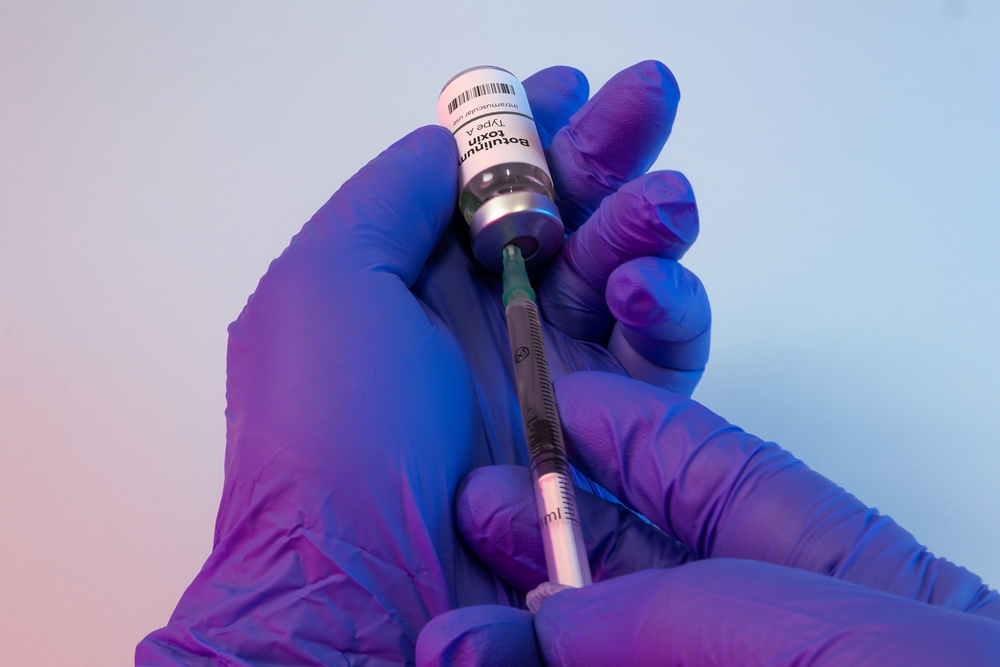
Botox pricing can feel confusing before your first appointment. You may see per-unit pricing online, hear a friend mention how many units they received, or wonder why one treatment area costs more than another. The reason is simple: Botox is measured in units, and each face needs a different amount. A small area may need fewer units, while stronger muscles or multiple treatment areas may require more.
Many clients ask how much a unit of Botox costs because they want to understand the cost before booking. A unit is a measured dose of Botox, not a syringe, not a drop, and not the full treatment. Your total price is based on the number of units used, the treatment area, the injector’s expertise, and the result you want. At Glow Aesthetic Center, Botox treatment is planned around your facial movement, muscle strength, and natural expression so the result looks refreshed rather than stiff.
This blog explains Botox units, Botox cost, vial pricing, forehead treatment, and how to plan your budget with confidence.
How much is a unit of Botox? A unit is the standard measurement used to dose Botox. It tells your injector how much product is being placed into a specific muscle. Botox is not priced the same way as dermal fillers, which are often measured by syringe. With Botox, the total treatment price usually comes from the per-unit rate multiplied by the number of units needed.
Units matter because each treatment area has different muscle strength and movement. Forehead lines are caused by the muscle that lifts the brows, frown lines come from muscles between the eyebrows, crow’s feet form around the outer eyes. Each area needs a different plan.
A safe and natural-looking result requires more than counting units. Placement matters. Balance matters. Facial anatomy matters. A good Botox treatment should soften unwanted movement without taking away normal expression.
How much is Botox overall? The total price varies based on the number of units used. A small treatment area may cost less than a full upper-face treatment. Treating medical or wellness concerns, such as TMJ-related tension or excessive sweating, may require a higher number of units than a cosmetic touch-up.
The consultation gives the clearest estimate. Your injector can watch how your muscles move, assess line depth, ask about your goals, and recommend the number of units needed. This is more accurate than guessing based on someone else’s treatment.
Botox price should be weighed alongside safety, skill, and consistency. A lower price per unit may not be a better value if the treatment is underdosed, poorly placed, or does not match your facial structure. The right dose should fit your movement and your desired result.
How much does Botox cost for common areas depends on how many muscles are being treated and how strong those muscles are. Cosmetic Botox is often used for forehead lines, frown lines between the brows, and crow’s feet around the eyes.
Forehead lines may require a thoughtful dose because the forehead muscle also helps hold the brows up. Frown lines often need enough product to soften the muscles that pull the brows inward. Crow’s feet usually need smaller injections placed around the outer eye area.
Botox can also be used beyond facial lines. Treatment may help with concerns such as jaw tension, teeth grinding, shoulder slimming, neck bands, migraines, and excessive sweating when appropriate. These areas can involve different unit ranges, which affect the cost of Botox.
Per-unit pricing helps you understand the math, but it does not tell the whole story. Two clients may pay the same per-unit rate and still have different totals because they need different unit amounts.
For example, one client may want subtle smoothing in one area. Another may want forehead lines, frown lines, and crow’s feet treated together. A third may need stronger dosing because their muscles are more active. The per-unit price may be the same, but the total Botox cost changes.
This is why a personalized quote matters. Your injector should explain the recommended areas, unit amount, expected result, and follow-up timing before treatment begins. Clear pricing helps you know what you are paying for and why.
How much is a unit of Botox in ml? A Botox unit is not the same as a fixed milliliter amount. The liquid volume per unit changes based on how the Botox vial is reconstituted with saline. This means one unit can be delivered in different fluid volumes depending on dilution.
The unit is the clinical dose. The mL measurement is the liquid volume used to deliver that dose. Clients do not need to calculate this at home. Your injector handles the preparation and dosing so the correct number of units is placed in the correct area.
This distinction matters because a treatment should not be judged by how much liquid you see in the syringe. The important number is the unit dose placed into each muscle.
How much is in a unit of Botox? A unit represents a measured biological activity of the Botox product. It is a standardized dosing measurement used by trained providers. It does not translate neatly into a visible amount of liquid or a simple household measurement.
A single unit is small, but units are combined to treat specific muscles. One injection point may receive a few units, and one treatment area may involve several injection points. The full plan is built around how your muscles move and how much relaxation is needed.
Botox works by temporarily reducing the nerve signals that tell targeted muscles to contract. As the muscles relax, expression lines can soften. Feeling in the skin is not removed because Botox targets muscle activity rather than sensory nerves.
How much is a 100 unit vial of Botox? A 100-unit vial refers to the amount of Botox product in the vial before it is prepared for treatment. This is a professional supply measurement, not a normal patient purchase. Clients are charged based on their treatment plan, not by buying a vial.
A single client rarely needs an entire 100-unit vial for a standard cosmetic treatment. Some treatment plans use a small portion of that amount. Other larger or therapeutic areas may use more units. The number depends on the concern being treated.
Vial cost can vary for practices based on supplier pricing, purchasing agreements, and overhead. The client-facing price includes much more than product. It includes the injector’s training, facial assessment, safety protocols, placement technique, consultation time, and follow-up approach.
How much is a unit of Botox based on? Several factors can affect per-unit pricing. Provider training, location, product authenticity, treatment setting, and appointment experience can all influence price.
A qualified injector uses genuine Botox and places it with precision. This matters because Botox affects muscle movement. Correct placement can create smoother lines while maintaining expression. Poor placement can lead to uneven movement, brow heaviness, or results that do not last as expected.
Your quote should be clear before treatment. If you are comparing pricing, ask what product is being used, who is injecting, how many units are recommended, and what follow-up process is available.
Botox price is shaped by anatomy and goals. Stronger muscles may need more units. Deeper movement lines may need a more complete plan. Treating multiple areas at one appointment increases the unit total.
Your desired level of movement also matters. Some clients want a soft result with more expression. Others prefer stronger smoothing. Both approaches can be appropriate when they are planned carefully.
Treatment timing affects budget too. Botox results commonly last about 3 to 4 months, although some clients may see a different timeline. If you want to maintain results year-round, plan for repeat appointments.
Forehead lines are one of the most common reasons clients ask about Botox cost. The forehead needs careful planning because it works closely with the brows and upper eyelids. Too much relaxation can make the brow feel heavy. Too little may leave strong movement lines.
A forehead plan may involve treating the forehead alone or treating the frown lines too. Many clients need both areas assessed together because they influence brow movement. The number of units recommended will depend on your forehead strength, brow position, line depth, and preferred result.
A natural-looking forehead treatment should soften lines without making your face look flat or frozen. The goal is a refreshed look that still feels like you.
Your Botox appointment begins with a consultation. We discuss your concerns, review your health history, and assess your facial movement. You may be asked to raise your eyebrows, frown, smile, or relax your face so your injector can see how the muscles work.
The skin is cleansed, and small amounts of Botox are placed with ultra-fine needles. Most clients describe the feeling as a brief pinch. The treatment is usually quick, and most people return to regular daily activities afterward.
Results are not immediate. Many clients begin noticing changes within a few days. Fuller results often appear within 10 to 14 days. Results usually last several months before maintenance is needed.
Planning for the cost of Botox starts with knowing your goals. One small area will have a different cost than a full upper-face treatment. A first-time appointment may also be different from a maintenance visit because your injector needs to see how your muscles respond.
Budgeting is easier when you think beyond one appointment. If you love your result, you may want maintenance every few months. Your injector can recommend a schedule that fits how your results fade and how much movement you want to keep.
A consultation gives you the most useful numbers. You can ask about expected units, timing, aftercare, follow-up, and maintenance so you understand the full plan before moving forward.
How much is a unit of Botox? The answer matters, but the stronger question is how many units your face needs for the result you want. Botox cost, Botox price, and the total cost of Botox are all tied to your anatomy, muscle movement, treatment areas, and provider expertise.
A personalized plan can help soften lines while keeping your expressions natural. If you are ready to understand your Botox quote and build a treatment plan around your goals, schedule a Botox consultation with Glow Aesthetic Center today.
The cost per unit varies by provider, location, and treatment plan. Your total price is based on the unit rate and the number of units used.
A Botox unit is not a fixed ml amount. The liquid volume per unit changes based on how the product is mixed with saline.
A 100-unit vial is a professional product measurement. Clients are usually charged by treatment plan and unit amount, not by purchasing a vial.
A unit is a standardized dose measurement for Botox activity. It is not the same as a drop, syringe, or fixed liquid volume.
Forehead pricing depends on the per-unit rate and the number of units recommended for your forehead strength, brow position, and line depth.
Botox pricing varies based on treatment area, unit count, injector expertise, and goals. A consultation gives the clearest estimate.
Multiple areas usually need more units, which raises the total Botox price. Your quote is based on the areas treated and the unit amount.
The cost of Botox can be affected by unit count, treatment area, product authenticity, injector experience, location, and maintenance schedule.
This October at Glow Aesthetic Center, we’re helping you look glowingly good all season long with Xeomin from $10/unit (originally $14) and up to $300 off when you buy any 2 Galderma fillers. Our CoolPeel CO2 for the face starts at $650 with the neck included free (originally $1,198), PRX starts at $200 per area, and our HydraFacial Deluxe package of 4 starts at $800 with a complimentary Glow To Go kit.- Book Now

Ready to enhance your inner glow? Whether you have questions about our treatments or want to book an appointment, we're here to help! Schedule your visit today or give us a call.

Sunday: 9 AM–4:30 PM
Monday: 9 AM–4 PM
Tuesday: 9 AM–6 PM
Wednesday: 9 AM–6 PM
Thursday: 9 AM–6 PM
Friday: 9 AM–4 PM
Saturday: Closed
Sunday: 9 AM–4:30 PM
Monday: 9 AM–4 PM
Tuesday: 9 AM–6 PM
Wednesday: 9 AM–6 PM
Thursday: 9 AM–6 PM
Friday: 9 AM–4 PM
Saturday: Closed